Learning. Building.
Discovering what's possible.
A scientist studying neurodegeneration, aging, and the biology behind transformative therapeutics
About

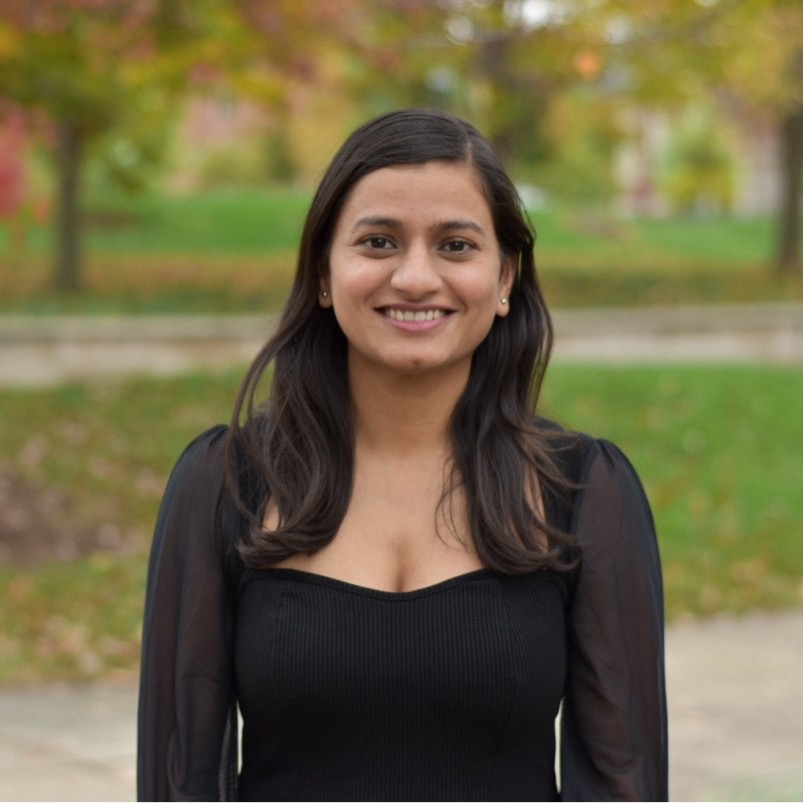
Hi, I'm Jitika.

I'm a neuroscientist, but that's probably the least interesting thing about my story.

My career hasn't been shaped by a carefully planned roadmap. Instead, it's been shaped by questions that refused to leave me alone.

The first one found me during my undergraduate years. I joined a research lab studying protein misfolding in Alzheimer's disease and became fascinated by how something as small as a protein folding incorrectly could have such profound consequences. When I left that lab six months later, I didn't continue studying Alzheimer's. Instead, I spent the rest of my undergraduate years working on Newcastle disease virus for my bachelor's thesis.

Although those projects couldn't have been more different, they shaped me in two important ways.

The first left me with a question I couldn't quite let go of. The second made me realize that what I loved wasn't a particular field of biology, but research itself.

I loved asking questions, designing experiments, getting something wrong, thinking again, and slowly piecing together an answer that hadn't existed before.

When it came time to choose a master's lab, I could have continued working on viruses. I already knew the techniques, the field, and the people. Instead, I returned to the question that had stayed with me for almost two years. Not because I had a plan to become an Alzheimer's researcher, but because I was still curious.

It took me years to realize that I wasn't returning to a topic. I was returning to a way of thinking.

As my research evolved, so did the questions I was asking.

Protein aggregation led me to lipid metabolism.

Lipid metabolism led me to neuroimmune interactions.

Those questions eventually expanded into human disease models, therapeutic development, and building better ways to study disease.

People often see these as different projects. I don't. I think I just kept zooming out.

During my PhD, another realization emerged. The part of science I enjoyed most wasn't only discovering new biology.

It was building the things that made discovery possible: experimental models that better capture disease, image analysis pipelines that extract more meaningful information, and collaborations that bring together people with completely different ways of thinking.

Building has become the lens through which I approach science, and I realized that I'm not limited by the skills I have today. I'm limited only by the problems I care deeply enough to learn for.

If a question matters to me, I'll learn whatever it takes to answer it. Biology. Imaging. Computational methods. AI. The tools have changed throughout my career, but my approach hasn't.

There's another pattern that's impossible for me to ignore.

Almost every meaningful opportunity I've had began because someone believed in me before I had fully earned it.

An undergraduate advisor who trusted me with real responsibility.

A professor who eventually replied to the persistent emails of an overly enthusiastic master's student.

A former lab member who introduced me to the lab that would completely change the direction of my PhD.

Friends who answered late-night phone calls when I had just moved halfway across the world.

Parents who gave me the freedom to build a life around what genuinely excited me.

Those experiences changed me just as much as the science did. They taught me that meaningful work is rarely the product of one person. It comes from people who challenge one another, trust one another, and build something together that none of them could have built alone. That's the kind of scientist, collaborator, and teammate I hope to become.

This website exists because a CV can only tell part of the story.

It can tell you what I've done, but it can't tell you how I think, what kinds of questions excite me, or why I care so deeply about building. I wanted one place where those parts of me could exist alongside the science.

If something here resonated with you, whether it was a scientific question, a shared curiosity, or simply a way of thinking, I'd genuinely love to hear from you.

After all, every meaningful chapter of my own story began with a conversation.

Education

Undergraduate & Graduate Degrees

Ph.D. in Chemistry (Integrated Neuroscience)

Purdue University, Indiana, USA • Aug 2021 - Present | GPA: 3.78

M.S. in Biochemistry and Cell Biology

Stony Brook University, NY, USA • Aug 2019 - Dec 2020 | GPA: 3.84

B.Tech. in Biotechnology

Indian Institute of Technology, Guwahati, India • July 2015 - May 2019

Executive Education

microMBA

UC San Diego Rady School of Management • 2024

Completed an intensive executive education program combining business strategy, innovation, and leadership principles. Supported by professional grant award from Purdue Graduate Student Government, demonstrating institutional recognition of the program's value. This education bridges scientific expertise with business acumen, preparing for leadership roles that translate fundamental research into therapeutic impact.

Research Internship

Summer Research Internship

University of Nottingham, United Kingdom • Summer 2018

Completed a 3-month internship at the University of Nottingham, Derby Hospital with Dr. Wayne Carter.
PhD Thesis

How does altered lipid metabolism reshape immune responses in Alzheimer's disease?

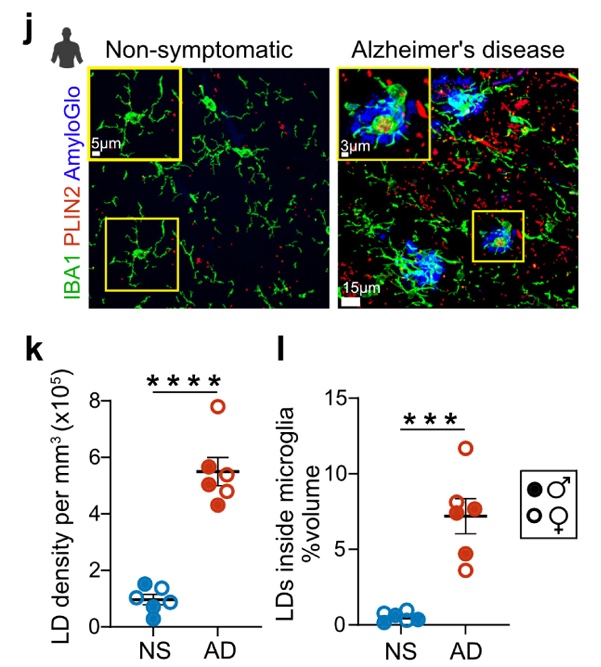
Alzheimer's disease is accompanied by profound changes in lipid metabolism, yet whether these changes actively drive disease or simply reflect it has remained unclear. To address this question, I developed complementary mouse and human iPSC-derived models, quantitative imaging approaches, and chemical biology tools to investigate how disrupted lipid metabolism contributes to neurodegeneration. My research has followed two complementary directions.

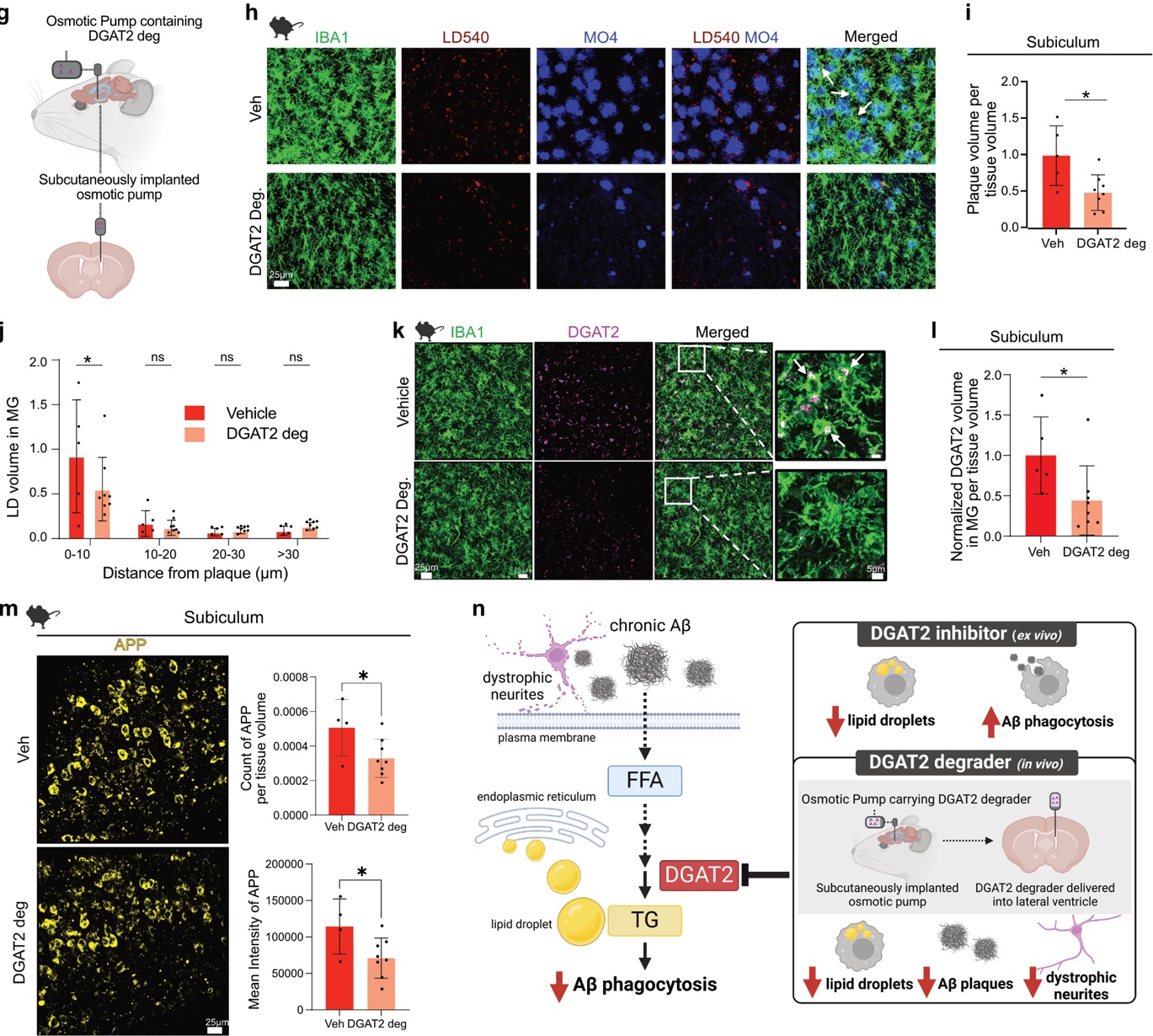
In my first project, I identified DGAT2 as a key regulator of lipid droplet accumulation in microglia. By comparing pharmacological inhibition with targeted protein degradation (PROTACs), we found that eliminating the protein, rather than inhibiting its enzymatic activity, restored microglial homeostasis and reduced Alzheimer's pathology in aged mouse models, highlighting targeted protein degradation as a promising therapeutic strategy.

Building on these findings, I investigated how altered lipid metabolism reshapes adaptive immunity through lipid antigen presentation, uncovering a potential link between lipid dysregulation and neuroinflammation in Alzheimer's disease.

Together, these studies suggest that disrupted lipid metabolism is not merely a consequence of disease but an active driver of neuroinflammation and a promising avenue for therapeutic intervention.
Capabilities I built
Mouse models
Designed and executed studies across genetically engineered Alzheimer's disease models, integrating drug delivery, primary cell isolation, and tissue analysis to investigate disease mechanisms and therapeutic strategies.
Quantitative Imaging
Built high-throughput confocal imaging and analysis pipelines for quantitative phenotyping, enabling reproducible analysis across multiple research programs in the lab.
Human iPSC Disease Models
Established the lab's first human iPSC culture and glial differentiation platform, enabling mechanistic studies and therapeutic evaluation in a human-relevant model of neurodegeneration.
Engineered Cellular Models
Developed genetically engineered mammalian and stem cell-derived models as experimental tools to investigate lipid metabolism and antigen presentation.
Immune Phenotyping
Established workflows for brain immune cell isolation and T-cell characterization, combining flow cytometry and cell sorting to profile disease-associated immune responses.
Bridging Disciplines
Built collaborations across disciplines and institutions, bringing together expertise in chemistry, neuroscience, immunology, lipid biology, and imaging to advance complex research projects.
Publications
Amyloid-β induces lipid droplet-mediated microglial dysfunction via the enzyme DGAT2 in Alzheimer's disease
Immunity · 2025
Oral Presentations
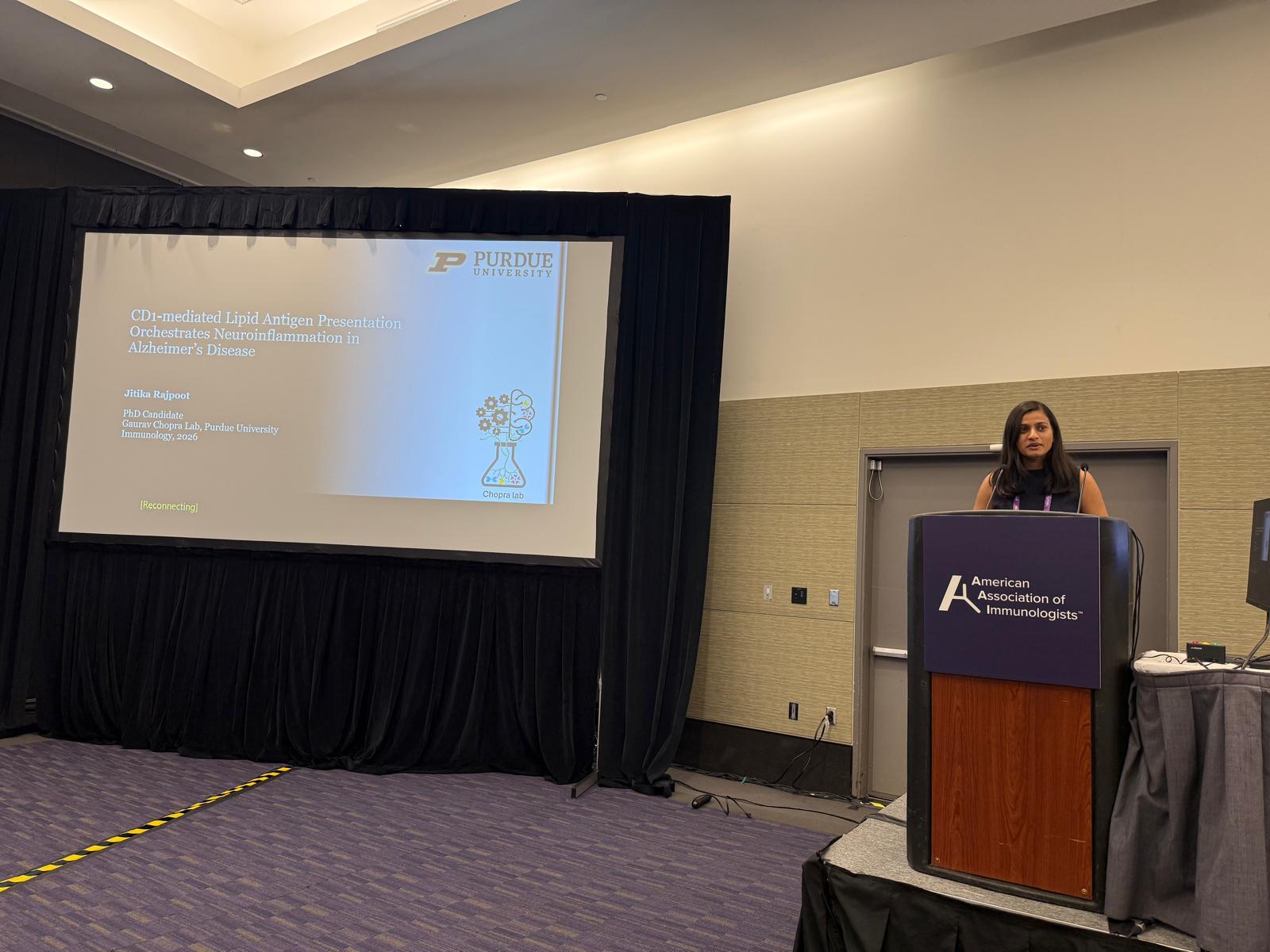
American Association of Immunology (2026)
Glia in Health and Diseases (2024)
Society for Neuroscience (2024)
Master's Thesis

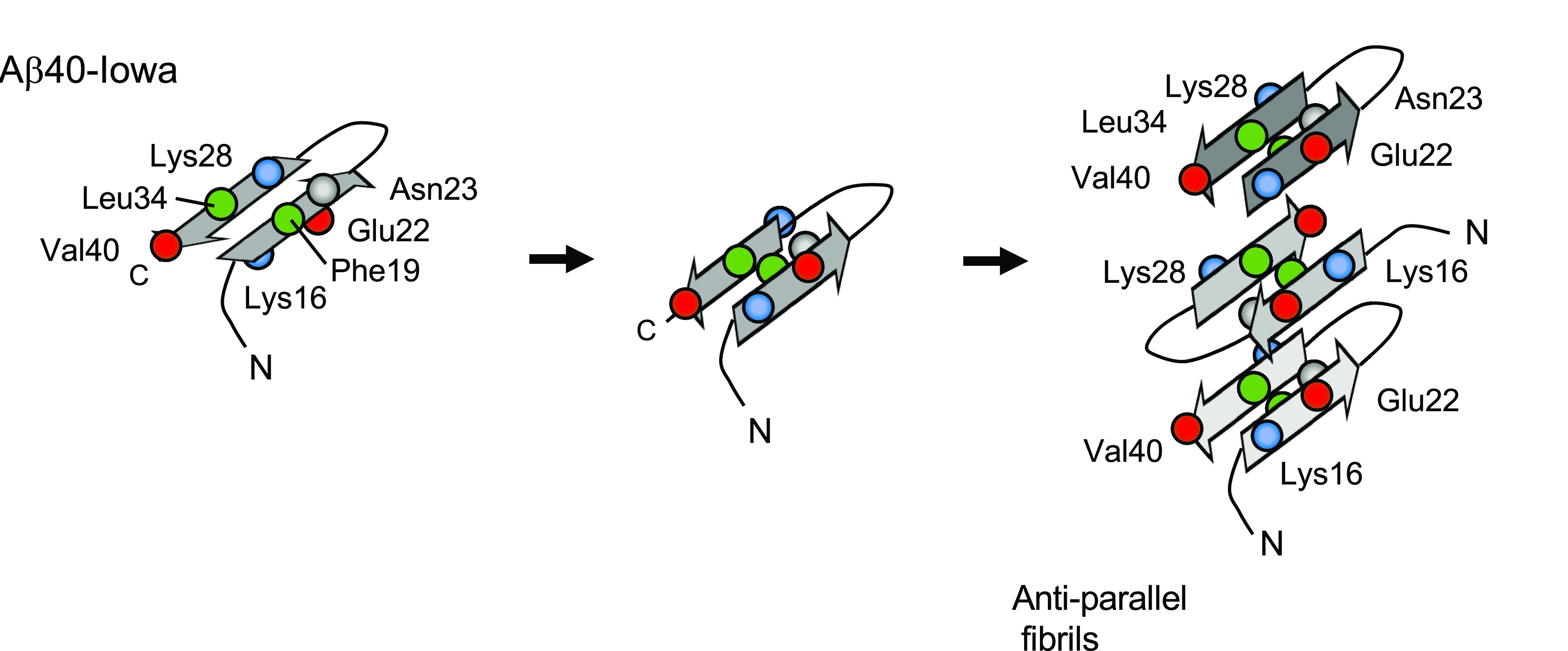
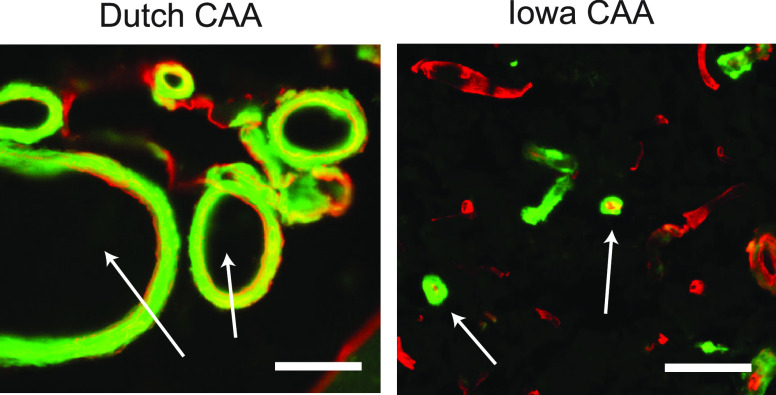
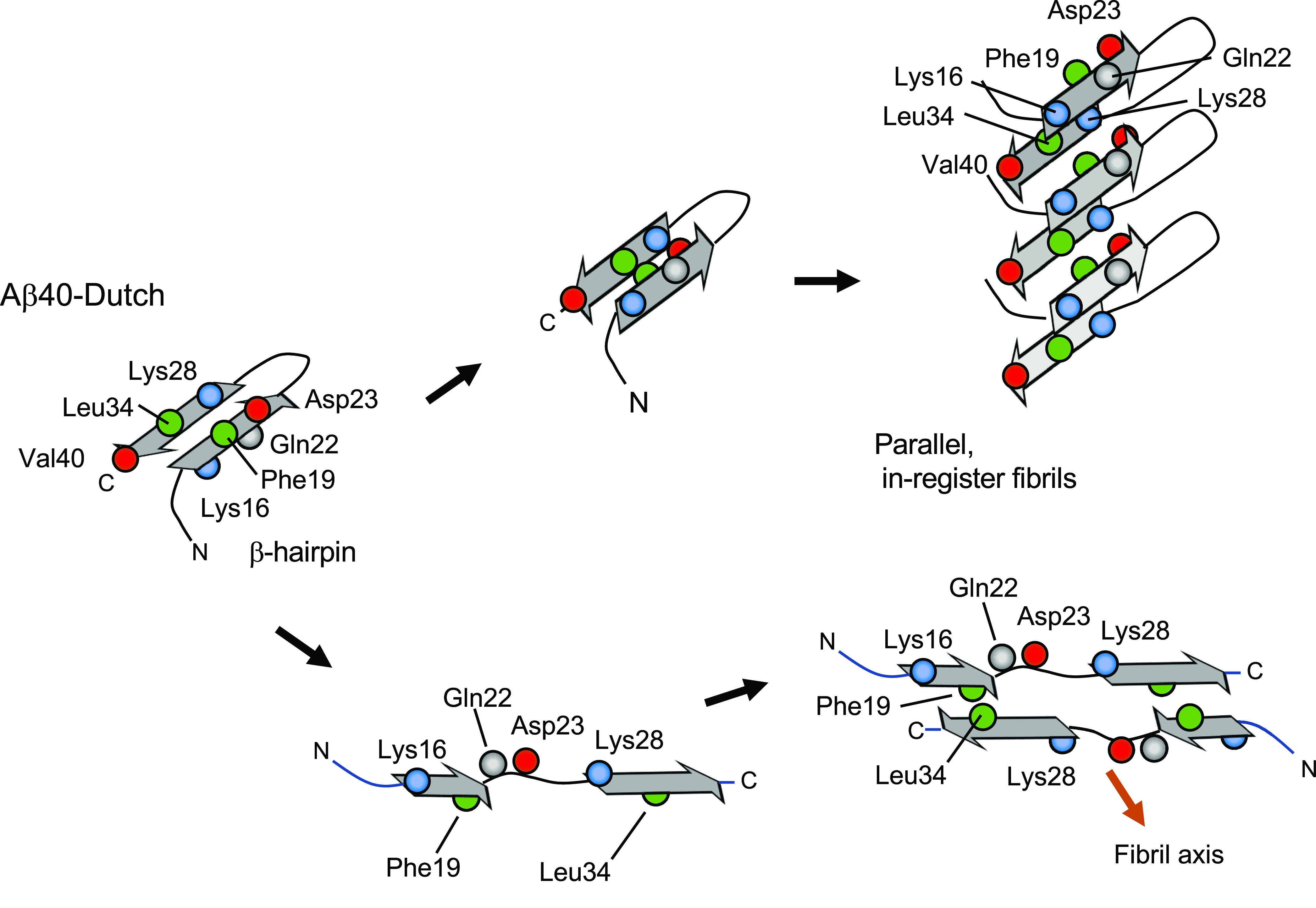
How do disease-causing mutations alter the earliest stages of amyloid-β aggregation in cerebral amyloid angiopathy?

Cerebral amyloid angiopathy is driven by the accumulation of amyloid-β within cerebral blood vessels, yet the Dutch and Iowa mutations produce distinct disease phenotypes despite differing by only a single amino acid. By characterizing the earliest stages of amyloid assembly, I identified a transient β-hairpin intermediate unique to the Iowa mutation that redirects aggregation into an alternative pathway. These findings reveal how subtle structural differences can profoundly influence disease pathology.
Capabilities I built
Biophysical Characterization
Applied complementary techniques including NMR, FTIR, and TEM to investigate peptide folding, aggregation, and structural transitions underlying amyloid formation.
Protein Purification Platforms
Established the lab's FPLC purification platform, developing and troubleshooting chromatography workflows that supported multiple research projects.
Publications
Insights into Cerebral Amyloid Angiopathy Type 1 and Type 2: Early-Stage Aggregation of Aβ40-Iowa and Aβ40-Dutch
Biochemistry · 2022
Aβ40 Fibril Assembly on Human Cerebral Smooth Muscle Cells Impairs Cell Viability
Biochemistry · 2025
Bachelor's Thesis

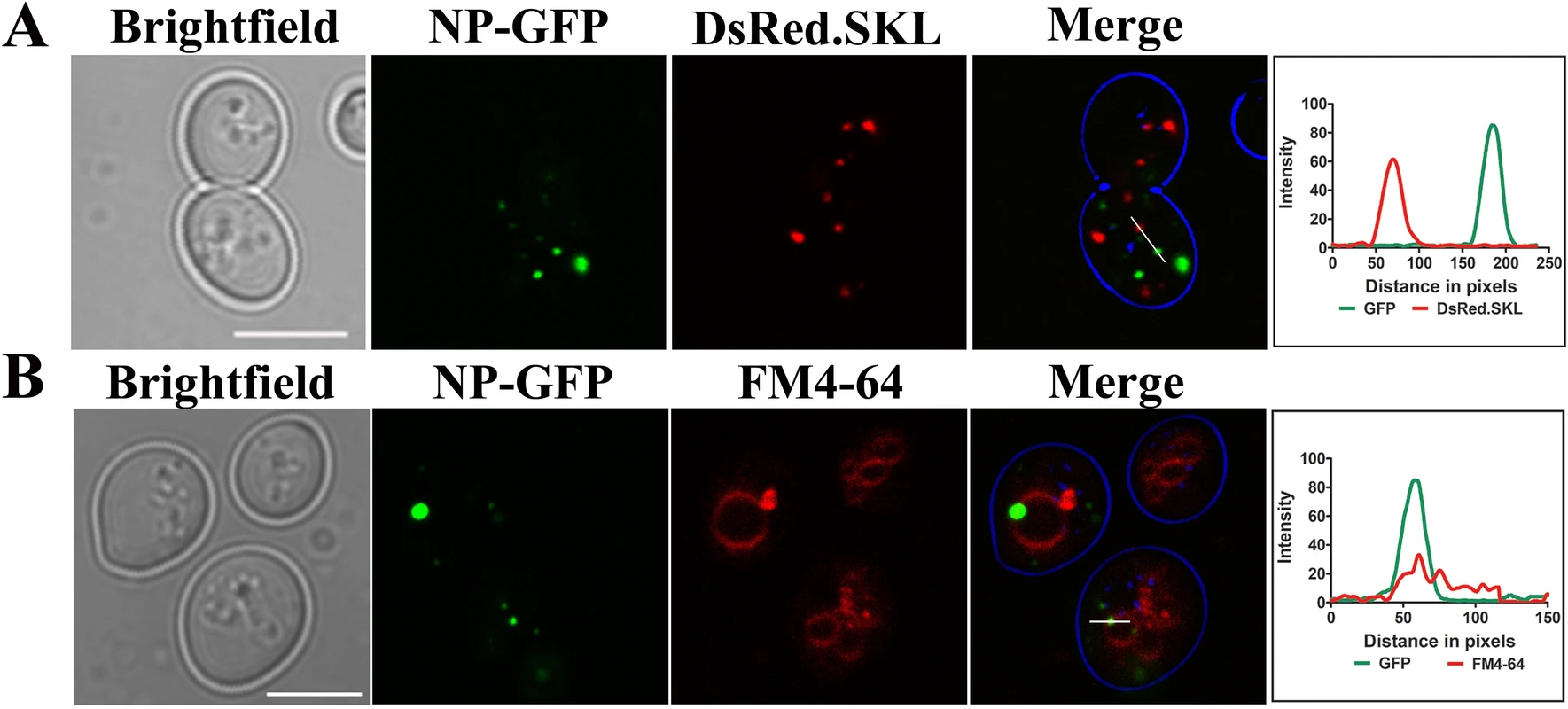
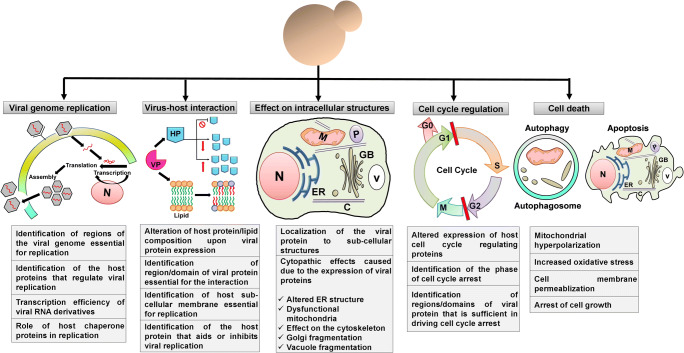
How do Newcastle disease virus proteins reshape host cell biology?

Viruses rely extensively on host cells to replicate, but the ways viral proteins interact with cellular machinery are often poorly understood. Using Saccharomyces cerevisiae as a model system, I investigated how the Newcastle disease virus nucleocapsid and matrix proteins influence intracellular organization, organelle morphology, and cellular stress responses. This work provided mechanistic insight into virus-host interactions while introducing me to cell biology, microscopy, and experimental research as an undergrad.
Capabilities I built
Independent Thinking
Learned to move beyond following protocols by asking my own scientific questions, interpreting unexpected results, and developing hypotheses from the data.
Experimental Design
Gained my first experience designing experiments to test biological questions, troubleshooting workflows, and adapting approaches when experiments didn't go as planned.
Scientific Communication
Learned to discuss ideas critically with mentors, defend scientific interpretations, and communicate research through presentations and publications.
Publications
Characterization of nucleocapsid and matrix proteins of Newcastle disease virus in the model eukaryote Saccharomyces cerevisiae
3 Biotech · 2021
Contribution of yeast models to virus research
Applied Microbiology and Biotechnology · 2021
Amyloid-β induces lipid droplet-mediated microglial dysfunction via the enzyme DGAT2 in Alzheimer's disease
Priya Prakash, Palak Manchanda, Evi Paouri, Kanchan Bisht, Kaushik Sharma, Jitika Rajpoot, et al. · Immunity · 2025
PubMed
Insights into cerebral amyloid angiopathy type 1 and type 2 from comparisons of the fibrillar assembly and stability of the Aβ40-Iowa and Aβ40-Dutch peptides
Jitika Rajpoot, Elliot J Crooks, Brandon A Irizarry, Ashley Amundson, William E Van Nostrand, Steven O Smith · Biochemistry · 2022
PubMed
Aβ40 fibril assembly on human cerebral smooth muscle cells impairs cell viability
Brandon Irizarry, Judianne Davis, Jitika Rajpoot, Xiaoyue Zhu, Feng Xu, Steven O Smith, William E Van Nostrand · Biochemistry · 2025
PubMed
Characterization of nucleocapsid and matrix proteins of Newcastle disease virus in yeast
Sahaya Glingston, Jitika Rajpoot, Nayan Moni Deori, Rachayeeta Deb, Sachin Kumar, Shirisha Nagotu · 3 Biotech · 2021
PubMed
Contribution of yeast models to virus research
R Sahaya Glingston, Jyoti Yadav, Jitika Rajpoot, Neha Joshi, Shirisha Nagotu · Applied microbiology and biotechnology · 2021
PubMed
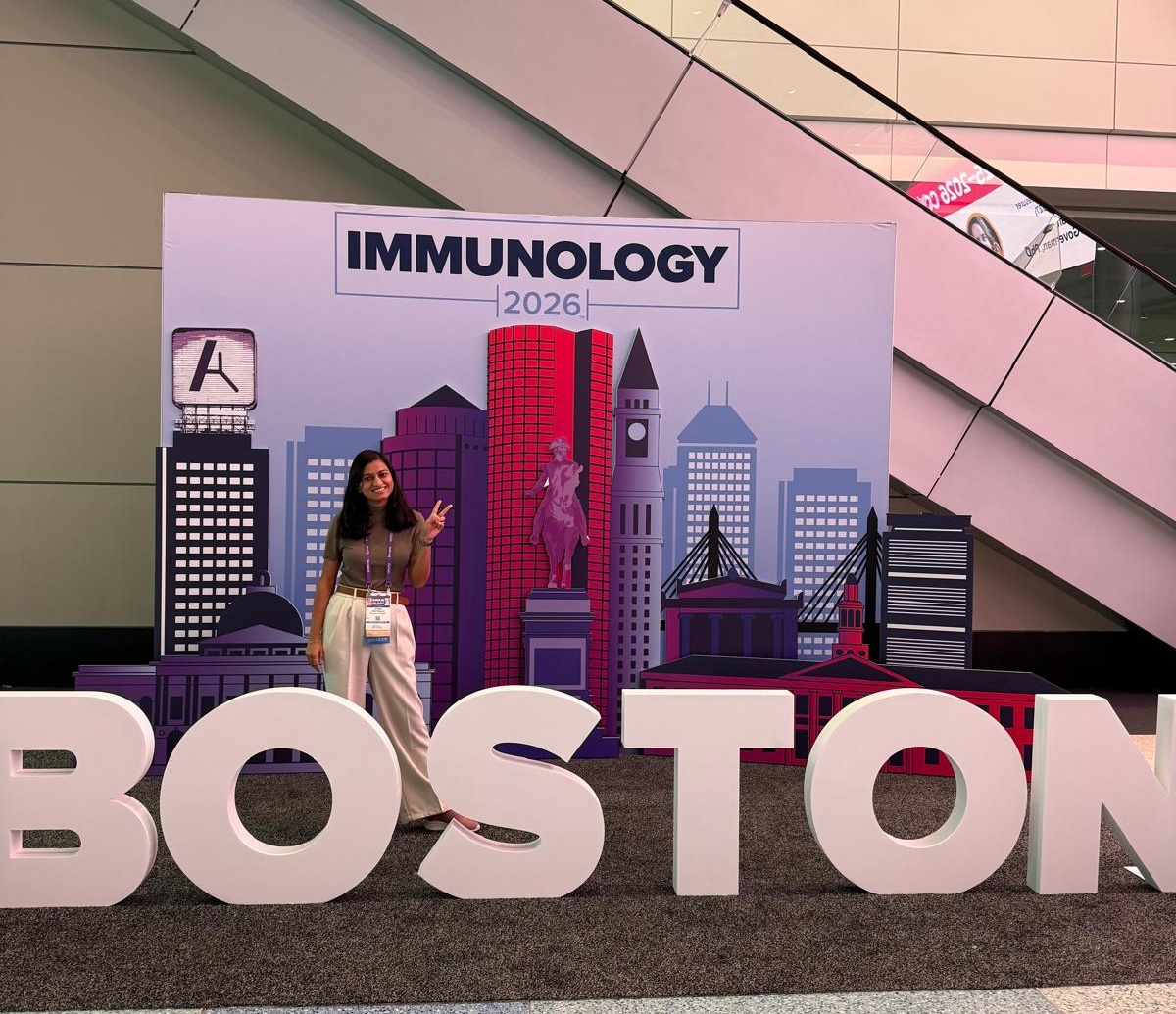
American Association of Immunologists (AAI) · 2026
Boston, Massachusetts
Selected for an oral presentation at the American Association of Immunologists (AAI) Annual Meeting to present our work investigating lipid antigen presentation as a potential link between altered metabolism and neuroinflammation in Alzheimer's disease. The work received an AAI Trainee Abstract Award, recognizing it among the meeting's outstanding trainee abstracts.
As one of the leading international meetings in immunology, the AAI Annual Meeting showcases emerging research spanning basic immune biology to translational medicine. It was an ideal forum to present our work at the intersection of neurodegeneration, lipid biology, and adaptive immunity while engaging with the broader immunology community.
CSHL Glia in health and diseases · 2024
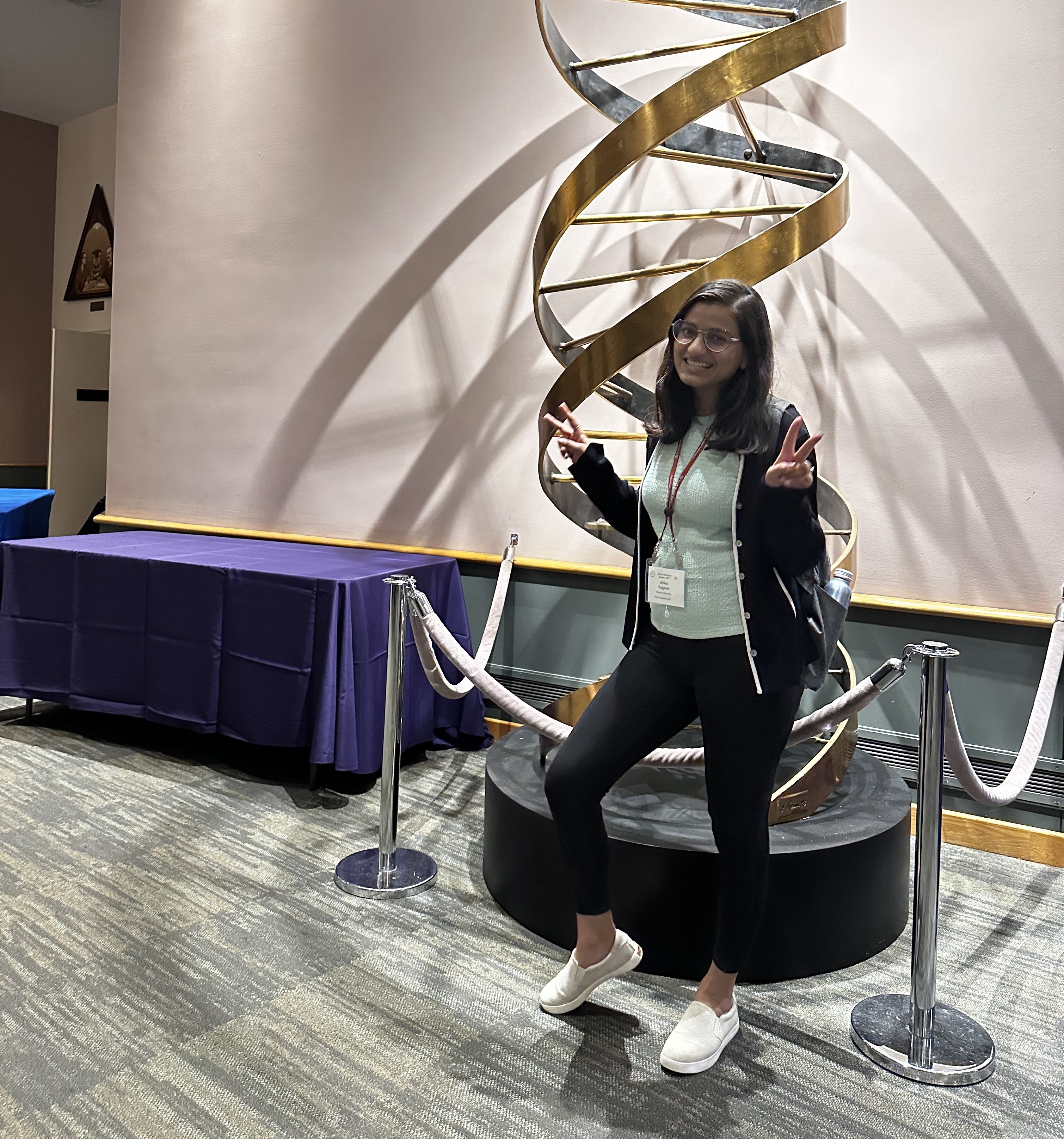
Cold Spring Harbor, New York
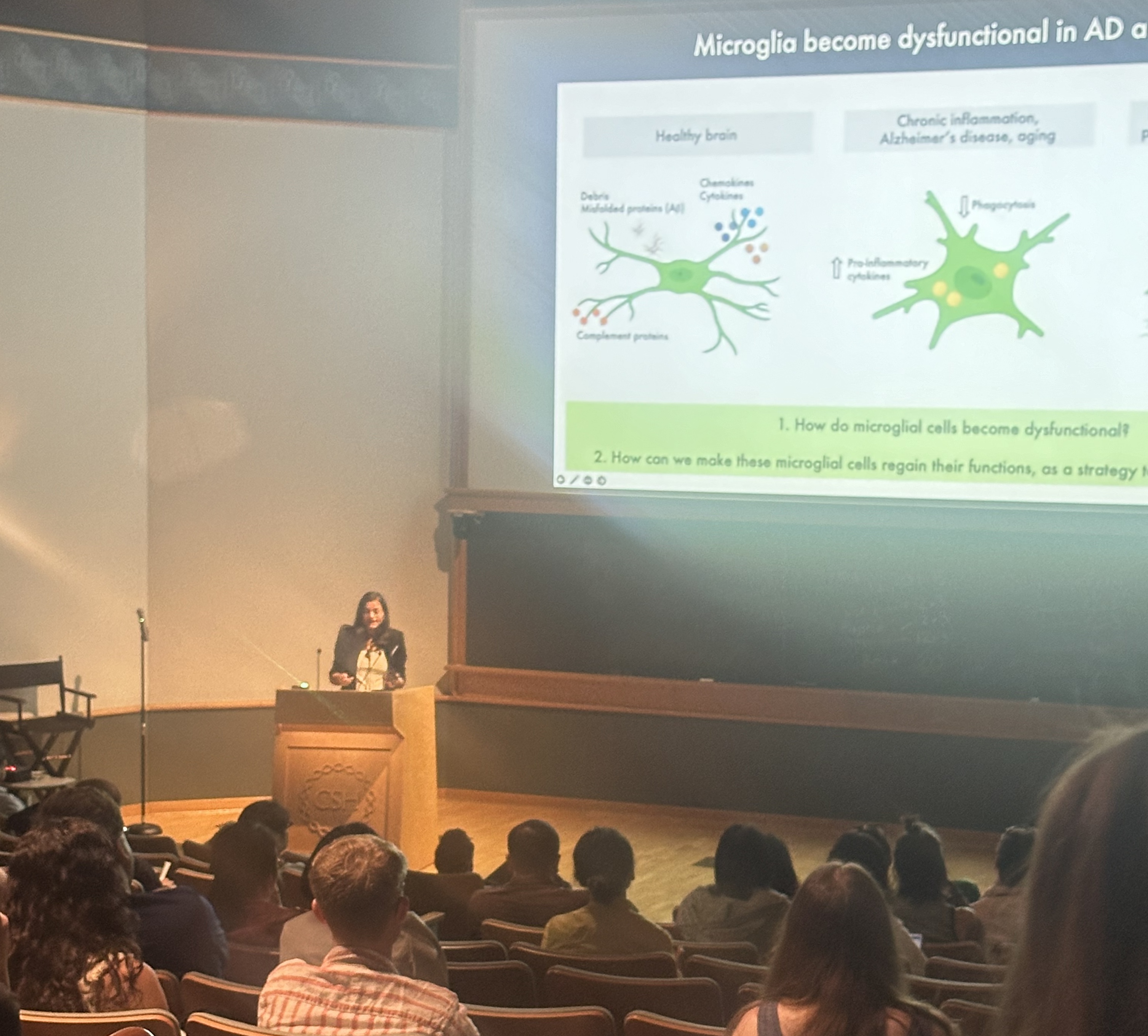
I delivered an oral presentation on my work uncovering why lipid droplets persist in Alzheimer's disease and how targeted degradation of DGAT2, rather than catalytic inhibition, can reverse this pathology. The talk focused on the mechanistic insights behind these findings and their implications for glial biology and therapeutic development.
Glial Cells in Health and Disease is an international meeting dedicated to understanding the roles of astrocytes, microglia, oligodendrocytes, and other glial cells in the healthy and diseased nervous system. The conference brings together researchers investigating how glial biology shapes brain development, aging, neurodegeneration, and therapeutic intervention.
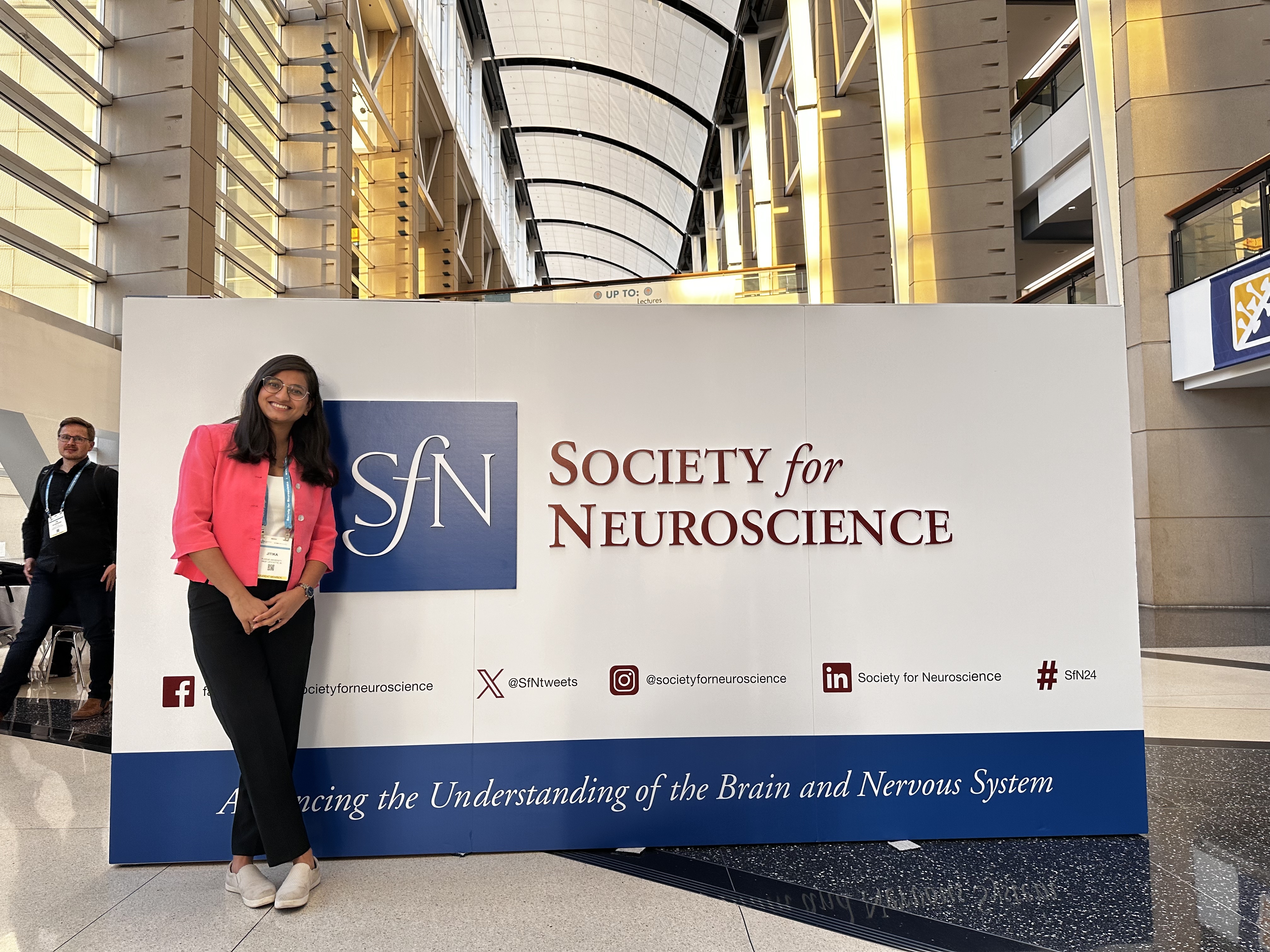
Society for Neuroscience (SfN) · 2024
Chicago, Illinois
As an oral presenter at the Society for Neuroscience Annual Meeting, I shared my research identifying disease-associated DGAT2 accumulation as a driver of pathological lipid droplet persistence in Alzheimer's disease. The presentation highlighted how understanding the underlying biology of a therapeutic target can fundamentally change the strategy used to intervene.
The Society for Neuroscience (SfN) Annual Meeting is the world's largest neuroscience conference, bringing together researchers across every area of brain science, from fundamental mechanisms to translational and clinical research. It provides a unique forum for sharing discoveries, exchanging ideas, and fostering collaborations across the neuroscience community.
Trainee Abstract Award
American Association of Immunology · 2026
Travel award - Iowa Neuroscience Institute stem cell workshop
Iowa Neuroscience Institute · 2024
Travel award - Society for Neuroscience
Purdue Institute of Integrated Neuroscience · 2024
Lynn fellowship
Purdue University · 2021-22

Questions That
Keep Me Curious

Science moves forward because someone keeps asking the next question. These are a few of the questions I find myself thinking about most often.
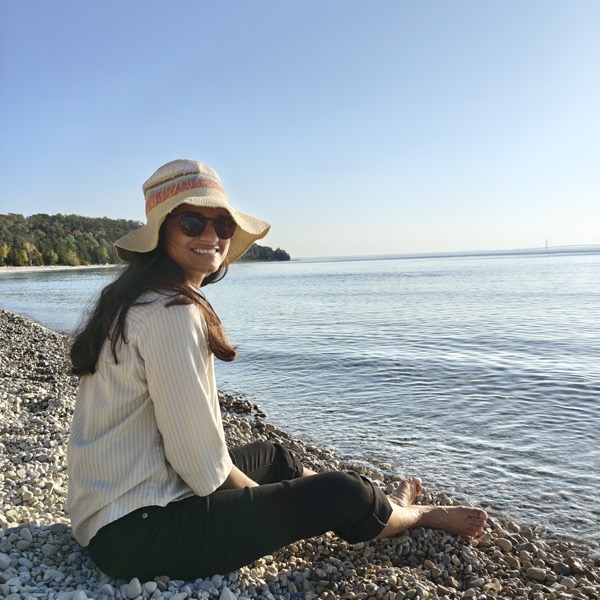
What drives me illustration

Why do patients with the same diagnosis respond so differently to the same therapy?

Precision Medicine

Disease labels often hide remarkable biological diversity. I'm fascinated by the challenge of identifying the molecular mechanisms that distinguish one patient from another, with the hope of developing therapies that are guided by biology rather than diagnosis alone.

How can we build experimental models that better reflect human brain aging and diseases?

Human Disease Models

Our ability to understand disease is fundamentally limited by the models we use to study it. I'm interested in developing human-relevant experimental systems that better capture the biology of aging and neurodegeneration, enabling deeper mechanistic insight and more predictive translational research.

Why do so many promising therapies fail despite targeting the "right" biology?

Therapeutic Strategy

Neurodegenerative diseases arise from complex, interconnected biological processes. I want to understand when, where, and how we should intervene, and whether combining complementary therapeutic strategies can lead to more durable and meaningful outcomes.

How can we combine human biology, experimental science, and AI to build better medicines?

Technology & Translation

Building AI-based image analysis tools was one of the experiences that most changed the way I think about AI in science. It showed me that it's not just a way to automate analysis, but a powerful partner in discovery when thoughtfully integrated with experimental research. Since then, I've been fascinated by the potential of combining AI with experimental biology to build smarter tools, ask better questions, and accelerate scientific discovery.
Camping
Camping & Hiking
"The outdoors is where I reset."
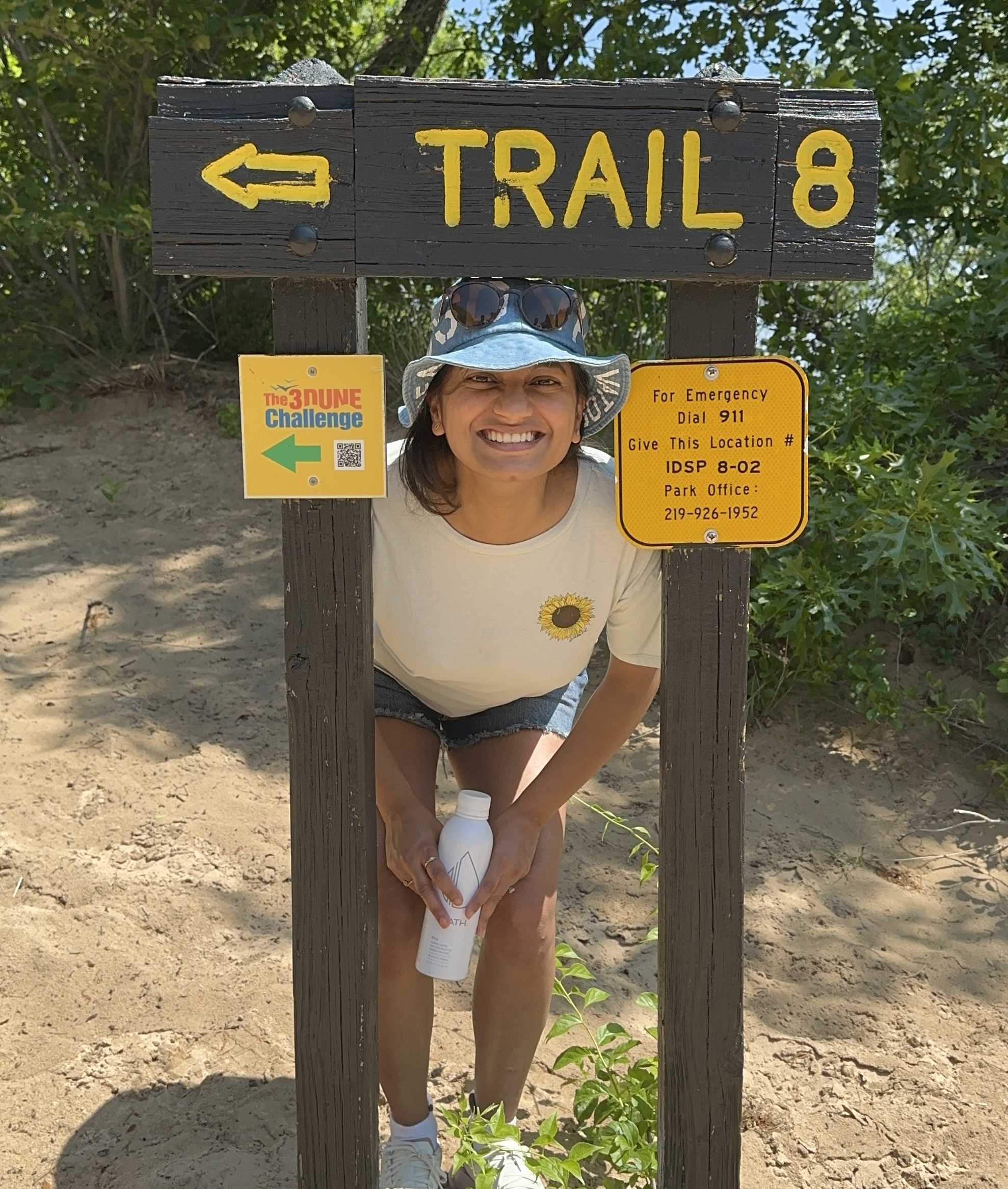
Some of my happiest moments have been spent on a trail, by a lake, or waking up in a tent with nowhere to be except the next overlook. Although I only discovered camping after moving to the United States, it has quickly become my favorite way to spend time outside the lab. Whether it's a weekend in the forests of Michigan, along the lakes of Indiana, or in the mountains of Tennessee, each trip feels like stepping into a completely different world. Every trip feels like a small reset, returning me to everyday life with a fresh perspective. I'm always happy to discover a new trail, share a campsite, or meet people who enjoy the outdoors as much as I do.
Curiosity Beyond Science
"The best books don't give answers. They change the questions."
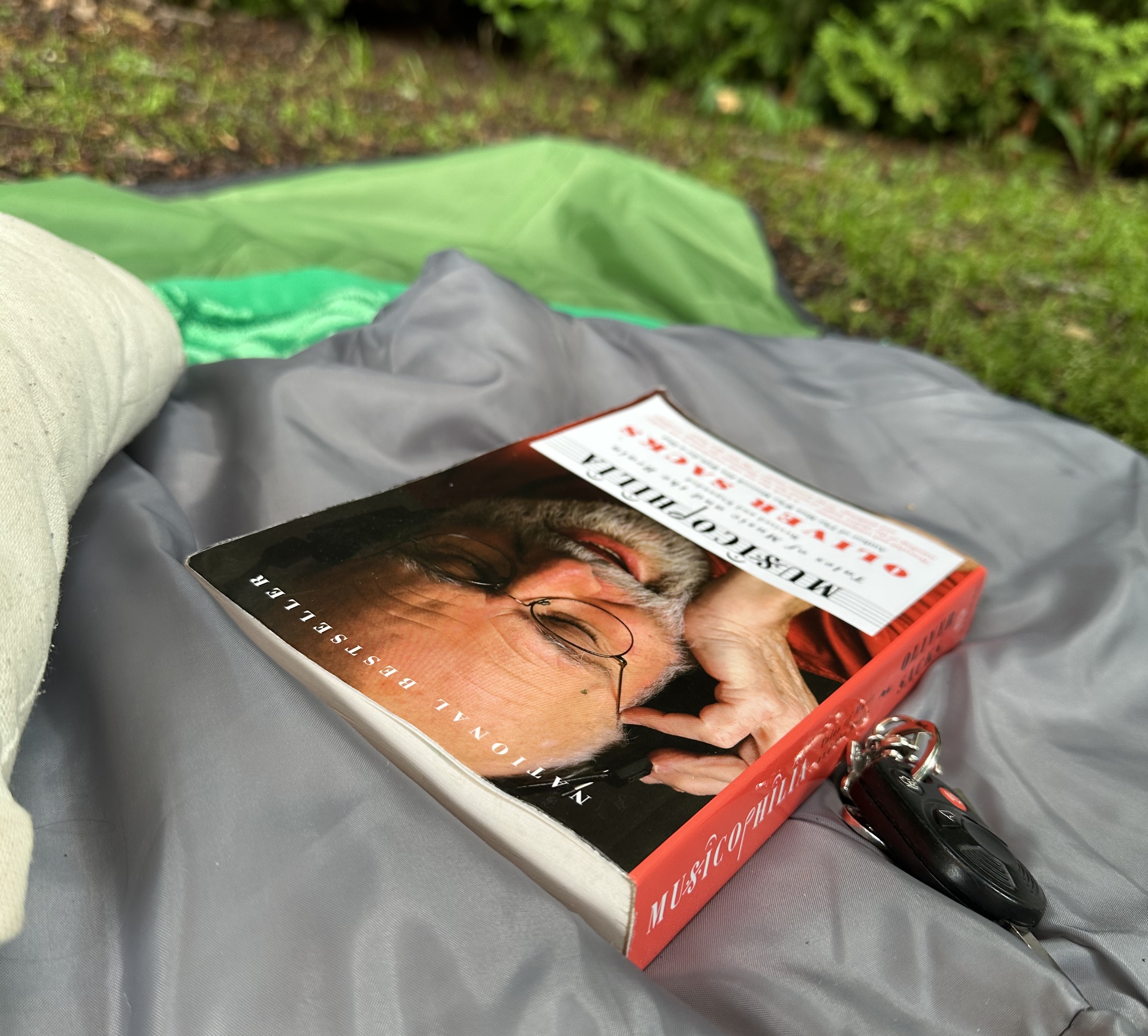
Outside the lab, I'm endlessly fascinated by people and the many ways we think. I enjoy reading psychology, philosophy, and evolution because they challenge how I understand human behavior and decision-making. One author who has shaped me deeply is Oliver Sacks. His ability to blend neuroscience with profoundly human stories reminds me that every brain and every life is unique. And I have one completely unapologetic literary loyalty: Harry Potter. I still think it's one of the greatest fictional worlds ever created, and I welcome quiz challenges at any time.
Curiosity
Technothlon
Technothlon
"The most rewarding challenges are usually the ones that seem too big to take on."
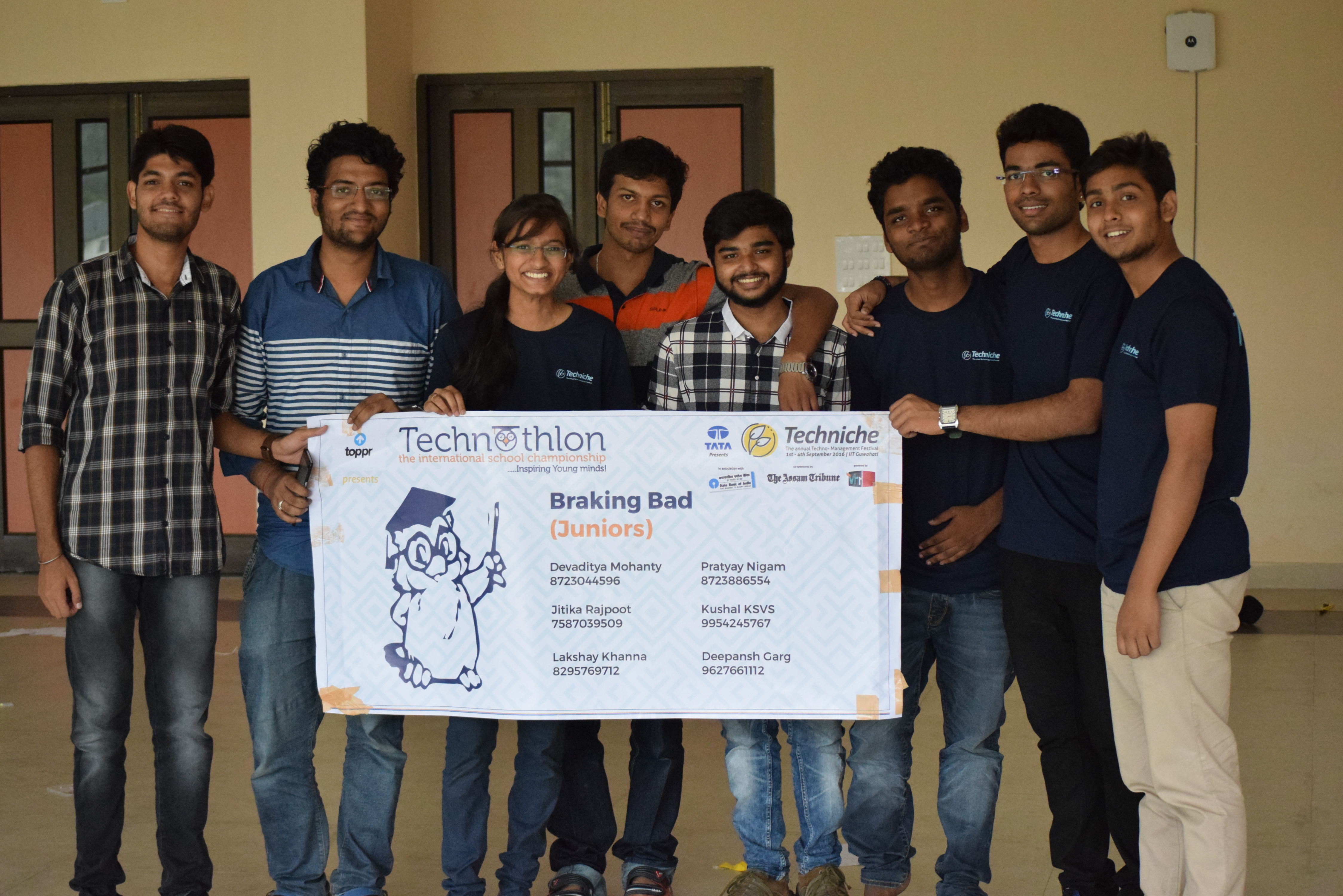
One of the experiences that shaped me most was organizing Technothlon, an international science competition run by students at IIT Guwahati. As the representative for my hometown, I spent months visiting schools, meeting principals, and encouraging students to participate, eventually bringing more than 1,200 students to the competition. Coordinating the event on exam day alongside dozens of volunteers showed me the power of a shared mission and community effort. The following year, I became one of six Chief Organizers, overseeing registrations from nearly sixty cities across Northern India while also managing finances, branding, and public relations. The work was demanding and unpredictable, but it taught me something that has stayed with me ever since: I genuinely enjoy taking on ambitious challenges that initially seem beyond my abilities and turning them into something real through persistence, teamwork, and problem-solving.

Let's Connect

Thanks for stopping by. If something on this website sparked a question, an idea, or simply resonated with you, I'd love to hear from you. Great ideas often begin with simple conversations, and the best ones are built together. Let's start one.
Contact page